Outdoor / Running
Custom Running Apparel Manufacturer — Windbreakers, Tights, Singlets & Technical Shells
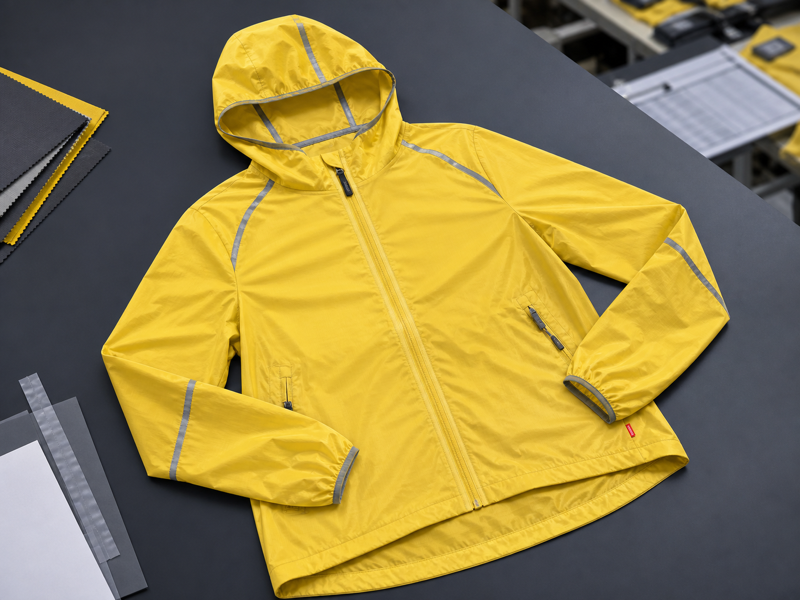
Wind-blocking shells, lightweight running tights, and technical singlets for trail and road brands. Cut-and-sew with bonded seams and DWR coating. MOQ 100 per SKU.
Running shells and tights need trim-level review, not only fabric approval.
Outdoor and running products combine weather resistance, reflectivity, pocket placement, zipper choice and seam stress. Each detail changes comfort and failure risk in motion.
- Confirm DWR target, zipper, reflective tape and seam construction before PPS.
- Review pocket access, drawcord, hood and vent placement on a worn sample.
- Packable styles need folding and carton tests because volume changes freight cost.
Subcategories in This Family
Windbreakers
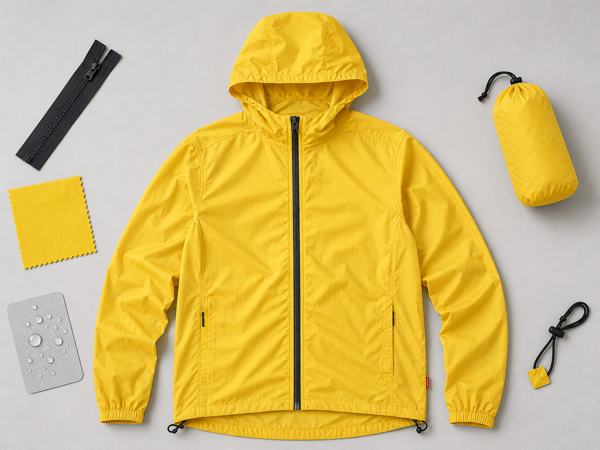
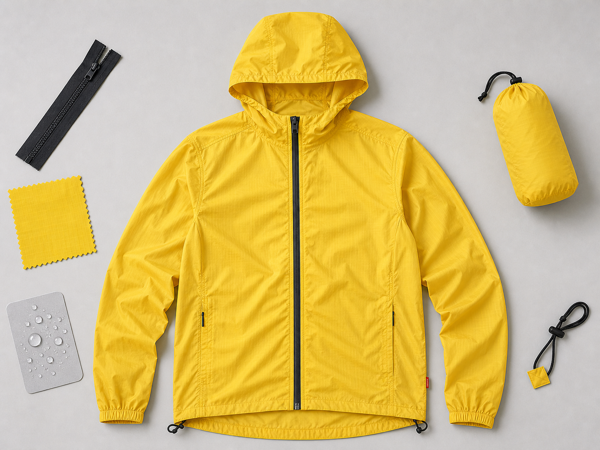
Lightweight woven shell, 50-80 GSM ripstop nylon or polyester. Packable design, elastic cuff, adjustable hem. DWR coating standard.
50-80 GSM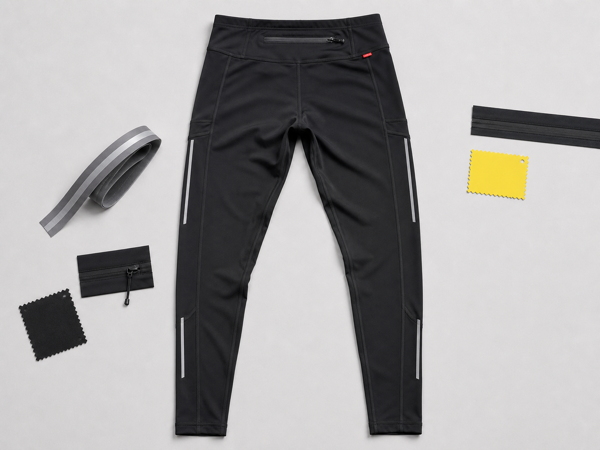
Running Tights
Full-length and 3/4 compression tights in 200-260 GSM nylon/spandex. Reflective trim, key pocket, flatlock seams.
200-260 GSM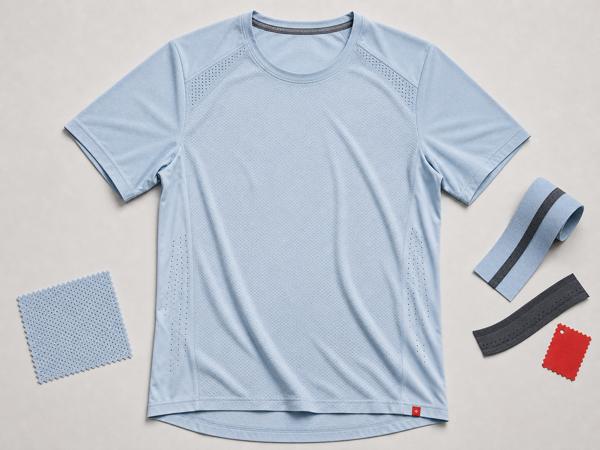
Singlets
Race-weight tank tops in 120-160 GSM moisture-wicking mesh. Laser-cut armholes, bonded hems, sublimation-ready.
120-160 GSM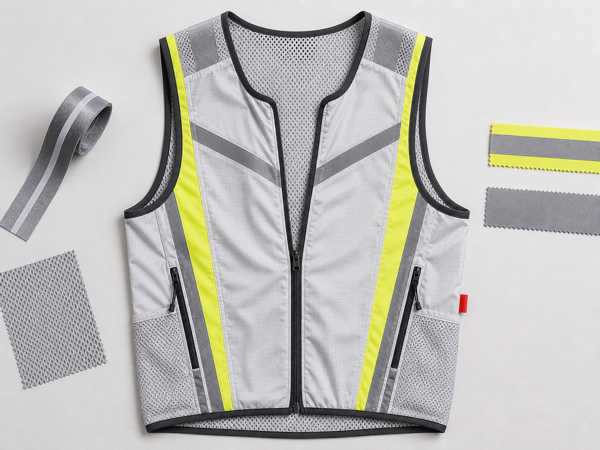
Technical Shells
Mid-weight softshell jackets, 180-240 GSM bonded polyester. 3-layer construction: woven face, membrane, knit backing. Seam-sealed.
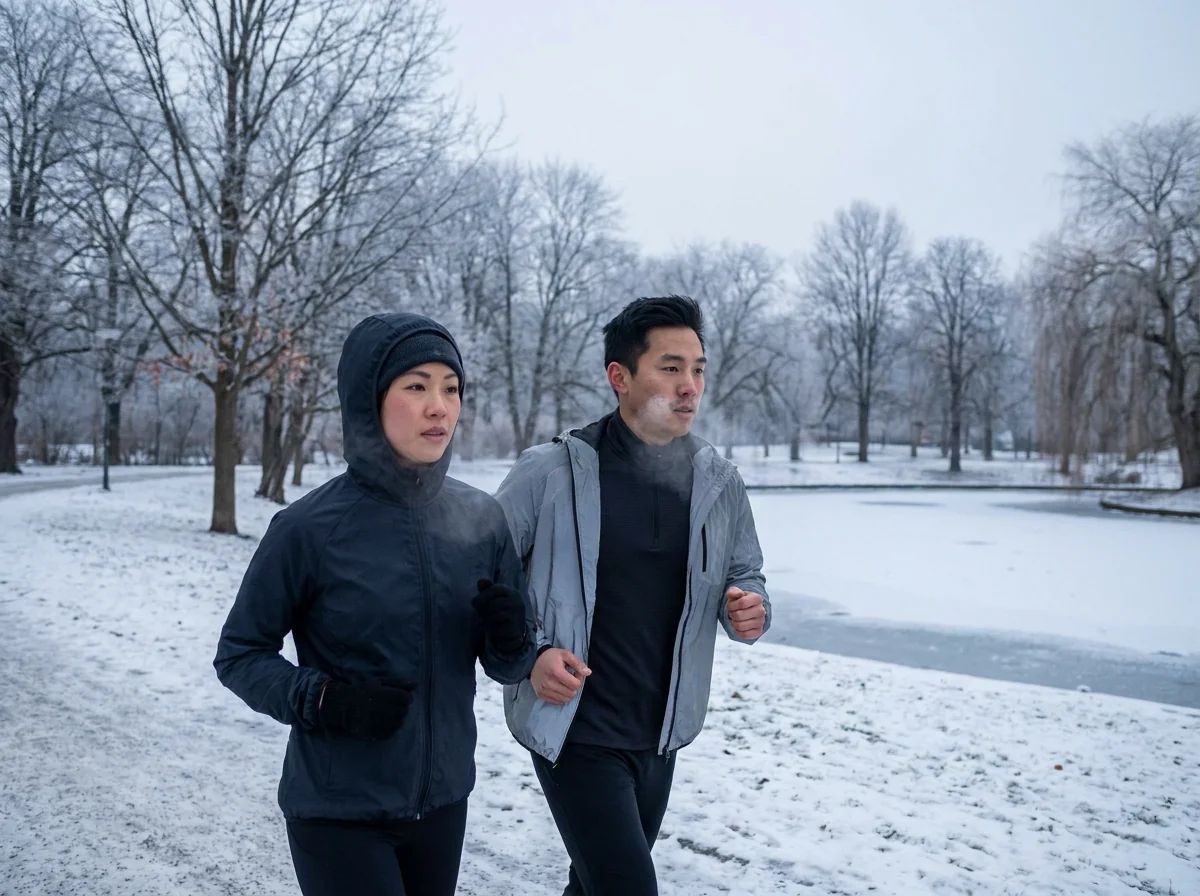
180-240 GSMOutdoor & Running Apparel in Real Conditions







Fabric and Construction Standards
Fabric Types
Ripstop nylon, bonded polyester, nylon/spandex blend, moisture-wicking mesh
Weight Range
Lightweight band 50-160 GSM (windbreakers / singlets) and mid-heavy band 180-260 GSM (softshells / tights). Pick the band first; per-style GSM lives on the subcategory chip above.
Treatments
DWR (durable water repellent), seam sealing, anti-odor finish
Visibility
Reflective heat-transfer tape, 360-degree reflective piping, hi-vis color blocking
Construction
Bonded seams on shells, flatlock on tights, laser cutting on singlets, ultrasonic welding on critical seam junctions
4 Outdoor Running Layers — GSM, DWR, Reflective and Field Scenarios
Runners buy this family as a system: base · active · light shell · heavy shell. Pick the layer first; per-style fabric and trim sit on the subcategory cards above.
| Layer | Subcategory (GSM) | Fabric + Construction | DWR / Reflective | Field Scenario |
|---|---|---|---|---|
| Base layer (race) | Singlets 120–160 GSMLight band |
Moisture-wicking mesh · laser-cut armholes · bonded hems | DWR not applied · sublimation-printed reflective accents | Track · road race · warm-weather start |
| Active layer (compression) | Running Tights 200–260 GSMMid-heavy band |
Nylon/Spandex · flatlock seams · key pocket | DWR not applied · reflective trim placed off high-abrasion zones | Road · cool-weather road/trail · evening run |
| Light shell | Windbreakers 50–80 GSMLight band |
Ripstop nylon/polyester · packable · elastic cuff | DWR C0 eco or C6 performance · heat-transfer reflective tape | Wind · shower · packable on trail · variable weather |
| Heavy shell | Technical Shells 180–240 GSMMid-heavy band |
Bonded polyester 3-layer (woven face · membrane · knit backing) · seam-sealed | DWR C0/C6 + hi-vis trim · low-light reflective audit on moving form | Sustained rain · cold sustained activity · mountain trail |
DWR grade (C0 eco / C6 performance) and reflective film selection are matched to each garment’s expected wash count; abrasion-zone placement is checked on a moving form at sample stage. For cycling-specific reflective engineering (high-speed visibility, drop-bar posture, pedal-stroke ankle rotation), see cycling apparel manufacturing.
Customization Options
Shell Fabric & DWR Grade
Choose ripstop weight, DWR level (C0 eco or C6 performance), membrane breathability rating.
Color
Review hi-vis, reflective and trail-tone colors under daylight and low-light inspection.
Print Method
Sublimation for singlets, heat transfer for shells and tights, reflective logo placement.
Label Kit
Care labels should match DWR, reflective trim, zipper and membrane requirements.
Size Grading
Grade shell ease, tight compression and layer-over fit separately instead of using one generic rule.
What the factory does differently for weather gear
A windbreaker is closer to technical equipment than to a tee. These are the stations and decisions your PO passes through that a knit order never sees.
Bonded-Seam Stations
Shell seams are taped or welded rather than only stitched, and each operator’s output is peel-tested at intervals. Needle holes are leak paths on a rain shell, so stitch density is specified per seam, not per garment.
DWR Verification
Durable water repellency is confirmed with spray-rating tests on production fabric. We tell buyers honestly which grade survives how many launderings; the documented wash count goes into both the QC file and the care-label copy.
Low-Light Reflective Audit
Reflective tape and piping are photographed under controlled darkness at sample stage. Placement that looks generous on a flat sketch can vanish behind a swinging arm; we check on a moving form.
Hardware Cycling
Zippers, cord locks and hem adjusters are cycle-tested on the approval sample. Failed cycles reject the trim outright; the runner-side cost of a jammed half-zip on a long run is too high to debate against aesthetics.
Four common field-failure modes we engineer out of the production lot
Coating Wash-Off
All DWR degrades; cheap application degrades fast and unevenly. We document expected performance by wash count in the fabric record so your care label and marketing claims match reality.
Seam-Tape Lift
Tape that delaminates at the hood junction after a season usually failed lamination temperature control in production. Our inline checks pull-test taped junctions during the run, not after complaints.
Reflectivity Fade
Transfer-film reflectives lose luminance with aggressive laundering. We match film grade to the garment’s expected wash life and place trims off high-abrasion zones.
Hem Delamination
Bonded hems on race singlets peel when adhesive, fabric finish and curing time are mismatched. Every bonded style carries a peel-strength requirement in its QC file.
Three programs this family was built around
Road-Running DTC Lines
Tights, singlets and a packable shell as a coherent kit. The hard part is grading: shell ease over a tight is its own fit logic, and we grade the layers against each other.
Trail & Ultra Brands
Membrane shells, storm hoods, pole-friendly pocketing. These are trim-dense garments where the bill of materials is longer than the cut list — budget sampling time accordingly.
Run Crews & Race Events
Club singlets and finisher tees with per-event graphics, often name-personalized. When the order carries individual names or numbers, it routes through team customization.
A Note on Layering Grades
Runners buy this family as a system — tight, mid, shell — so we grade outer pieces with deliberate ease over the layer beneath rather than treating each garment as if worn alone.